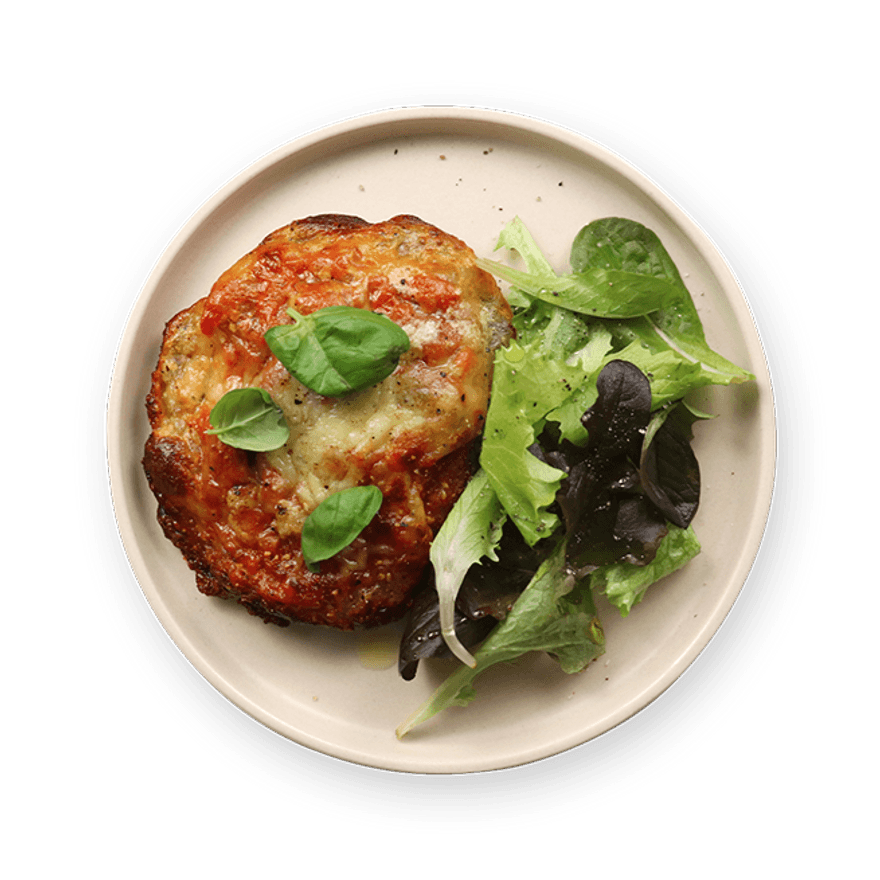
Air Fryer Quick & Easy Chicken Parm
7 ratingsA taste of Italian comfort food, ready in no time!

Ingredients
Utensil
Air fryer.
Recipe
Step 1
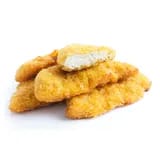
Coupez le poulet en morceaux.
Step 2
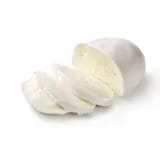
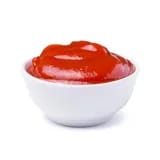
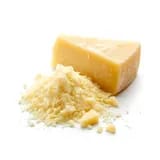
Place the chicken in the air fryer basket with the rack & a piece of parchment paper. Spread the tomato sauce onto the chicken. Top with the mozzarella & grated parmesan. Season with salt & pepper. Cook in the air fryer for 10-15 min at 200°C.
Step 3
Once the chicken is golden brown & the cheese is melted, take it out of the air fryer. Serve the chicken parm on a plate with a side of lettuce dressed to your liking. Top with fresh basil, if you have any, & enjoy!
Personal notes
Add your own flavor!
Nutrition facts
Average estimated amount for one serving
| Energy | 484 cal. |
| Fat | 33 g |
| Carbohydrates | 25 g |
| Protein | 17 g |
| Fiber | 5 g |
Values are based on an average estimate for one serving. All nutrition information presented on Jow is intended for informational purposes only. If you have any concerns or questions about your health, please consult with a health-care professional.
On average, one serving of the recipe "Air Fryer Quick & Easy Chicken Parm" contains: 484 Energy ; 33 g of Fat ; 25 g of Carbohydrates ; 17 g of Protein ; 5 g of Fiber.
Price per portion
| € | Nos recettes à -2 € par portion |
| €€ | Nos recettes entre 2 € et 4 € par portion |
| €€€ | Nos recettes à +4 € par portion |
Please note, the price above is dependent on your grocer and the available products in the grocery store you chose.
Scores


C Nutri-score
The Nutri-score is an indicator intended for understanding nutritional information. Recipes or products are classified from A to E according to their food composition to promote (fiber, proteins, fruits, vegetables, legumes, etc.) and foods to limit (energy, saturated fatty acids, sugars, salt, etc.).
C Green-score
The Green-score is an indicator representing the environmental impact of food products. The recipes or products are classified from A+ to F. It takes into account several factors on the pollution of air, water, oceans, soil, as well as the impacts on the biosphere. These impacts are studied throughout the product life cycle.
Scores computed by

Reviews